Plurly Witcher: The Handwritten Font That Makes Your Ideas Feel Human
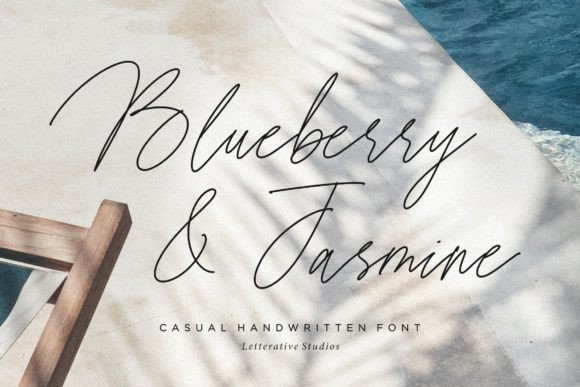
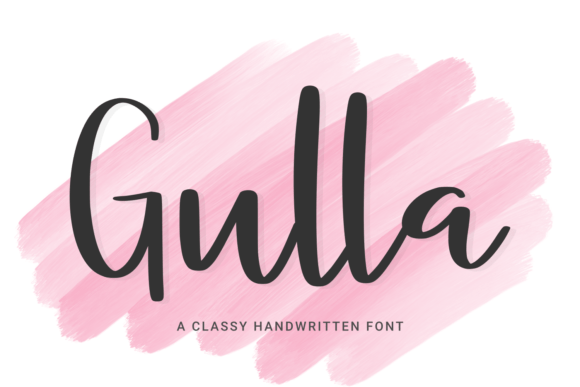
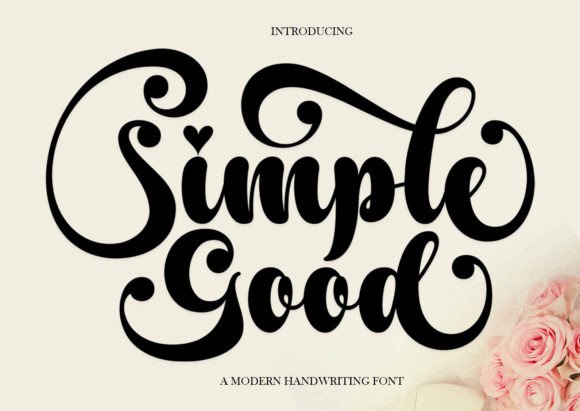
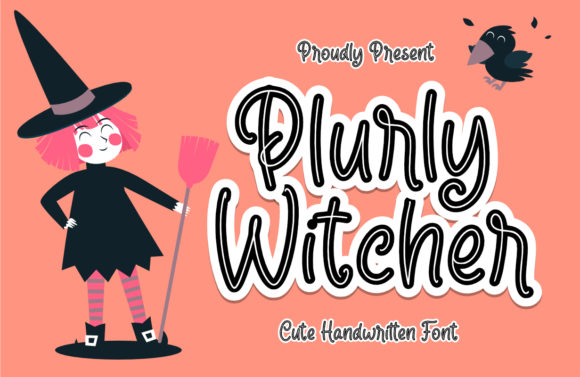
If you’ve ever stared at a flat, lifeless headline and thought, “This needs warmth—something that feels like it was made by hand, not a machine,” then Plurly Witcher is the font you didn’t know you were waiting for. It’s not just another script typeface. It’s a cheerful, slightly bouncy, unmistakably human handwritten font—with uneven baseline rhythms, gentle ink-like thicks and thins, and playful letterforms that look like they were drawn with a fine-tip marker on warm-toned paper.
What makes Plurly Witcher stand out isn’t its technical precision—it’s its personality. It doesn’t try to be formal or neutral. Instead, it leans into charm: lowercase “a”s with soft curves, “g”s with looping tails, and uppercase letters that feel like they’re smiling. And because it’s designed with consistent spacing and OpenType-friendly features, it works smoothly in real tools—not just as a pretty image, but as functional, editable text.
When You Want Warmth Without Worrying About Legibility
Plurly Witcher shines where tone matters as much as clarity—like when you’re designing for people who want to feel seen, not sold to. Think of a small-batch coffee roaster adding a short tagline to their Instagram Story: *“Roasted with care, served with joy.”* In Plurly Witcher, that line doesn’t shout. It invites. It feels personal—not polished to sterility, but sincere.
Same goes for educators making printable classroom posters. A kindergarten teacher might use Plurly Witcher for a “Kindness Jar” label or a “We Try Our Best” banner. Kids respond to handwriting they recognize—and adults respond to the quiet signal that this space values empathy over efficiency. It’s not childish; it’s intentionally approachable.
Where Plurly Witcher Fits Naturally (and Where It Doesn’t)
This font thrives in contexts where authenticity, friendliness, or light-hearted creativity are part of the message—not the decoration. Here’s how real users apply it:
- Bloggers & newsletter writers use it for section headers, quote callouts, or email subject lines that need to cut through inbox noise—e.g., a wellness blogger’s “Your Weekly Reset” header feels grounded, not generic.
- Freelancers & small business owners add it to Canva social posts, Etsy shop banners, or printed thank-you cards—especially when their brand voice is warm, inclusive, or gently humorous (“Yes, we ship cookies. No, we won’t judge your 3 a.m. order.”).
- Content creators layer it over video thumbnails or podcast cover art to hint at personality before a single word is spoken—think a craft tutorial channel using Plurly Witcher for “Stitch With Me” instead of a rigid sans-serif.
- Hobbyists & journalers drop it into digital planners (GoodNotes, Notion) or printable habit trackers—not for body text, but for titles like “My Cozy Corner” or “Today’s Small Win.”
It’s less ideal for long paragraphs, legal disclaimers, or data-heavy dashboards. Its joyful energy can soften urgency or dilute authority when those qualities matter more than warmth. If your audience expects crisp professionalism—say, in a financial advisor’s client report or a university syllabus—Plurly Witcher belongs only in subtle accents, not core typography.
How It Changes the Feeling—Not Just the Look
You don’t always notice typography consciously—but you feel its effect. Switch from a standard sans-serif to Plurly Witcher on a product label, and customers subconsciously register more care in the making. Use it on a workshop flyer, and registration rates often tick up—not because the font sells, but because it signals an experience that’s human-scaled and inviting.
One freelance illustrator told us she started using Plurly Witcher for her Patreon welcome emails after noticing replies became more personal: subscribers began signing off with “P.S. Love your handwriting-style fonts!” That tiny detail had become part of her brand’s emotional signature.
What to Keep in Mind Before You Use It
Plurly Witcher is licensed for both personal and commercial use—but always double-check the license terms where you download it. Some versions include bonus swashes or alternate characters; others are streamlined for web use. If you’re embedding it in a website, test loading performance and fallback behavior. It works beautifully in modern browsers via @font-face, but avoid relying on it for critical navigation labels unless paired with a readable system font as backup.
Also consider contrast. Because its strokes vary in weight, it pairs best against clean, light backgrounds (off-white, pale gray, soft pastels). On dark or busy textures, some letter details may fade—so preview at actual size, not just in your design app’s thumbnail view.
And remember: handwriting fonts gain power through restraint. Using Plurly Witcher for every heading, button, and caption quickly flattens its impact. Let it highlight what matters—your invitation, your promise, your moment of connection—not fill space.
Real Projects, Real Results
A bookstore owner used Plurly Witcher for handmade “Staff Pick” shelf talkers—hand-lettered phrases like “I cried *twice* reading this” or “Perfect for your next rainy Sunday.” Sales of those titles increased 22% month-over-month, and customers started photographing the signs and tagging the store online. The font didn’t sell the books—it made the recommendation feel genuine, not algorithmic.
A homeschool parent built a weekly rhythm chart for her two kids using Plurly Witcher for activity names (“Read Together,” “Garden Time,” “Quiet Drawing”). Within days, the kids began pointing to the chart themselves—drawn in by the friendly lettering, not just the routine. The font didn’t change the schedule; it changed how the schedule felt.
A nonprofit launching a mental health awareness campaign chose Plurly Witcher for their “You Belong Here” campaign posters—printed on recycled paper and taped to community bulletin boards. Volunteers reported people pausing longer, sometimes even tracing letters with their fingers. The font didn’t carry the message alone—but it helped the message land softly, without pressure.
Final Thought: It’s Not Just a Font—It’s a Tone Setter
Plurly Witcher won’t fix a weak idea or replace thoughtful strategy. But when your goal is to communicate care, curiosity, or quiet confidence—when your audience is tired of slick perfection and ready for something that breathes—it becomes quietly powerful. It reminds us that behind every logo, lesson plan, or handmade good is a person. And sometimes, the most effective design choice is the one that says, “I made this with my hands—and I hope you feel that.”